Choose a theme that fits your child and space
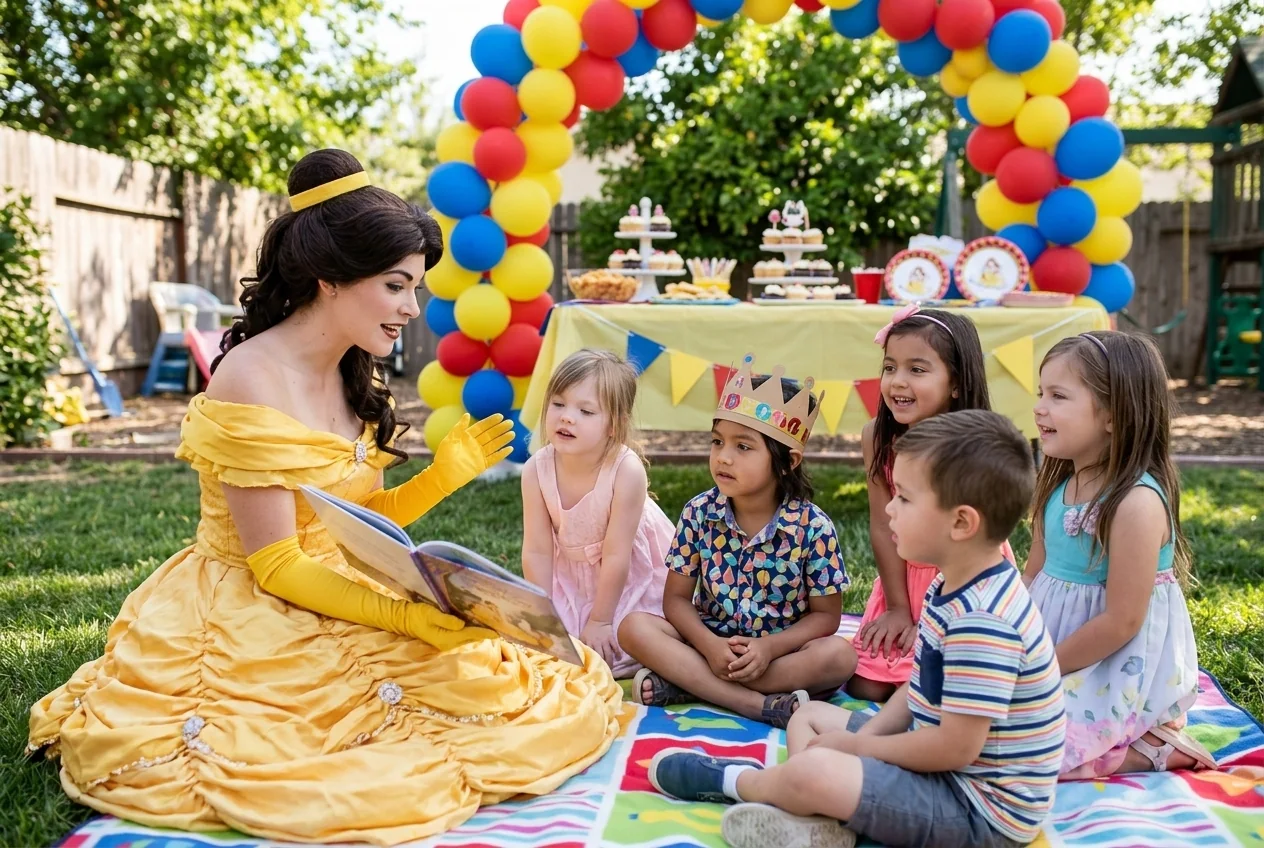
Start with what the birthday child already enjoys, then choose a theme that can work with the room, yard, and time you have. A storybook picnic needs little more than blankets, paper decorations, and a few read-aloud choices. A space adventure can use dark cloth, paper stars, and a simple search for hidden planets. For a garden party, set out pots, paper flowers, or a make-believe seed station. A construction theme can use toy vehicles and cardboard blocks. A sea-life theme can become a blue-tablecloth art corner and an ocean animal search. Keep the decorations focused on one or two areas, such as the entry and activity table. Before buying supplies, ask your child which details matter most. That answer can prevent extra errands and keep the party recognizable without crowding the room.
Give each idea one easy activity
Build the plan around one activity guests can understand quickly, with optional ways to join. For the picnic, invite children to decorate a paper placemat or choose a short story. Space explorers can follow picture clues to find paper planets, either in a group or with a grown-up. At a garden party, guests can make paper blooms or label pretend plants. Construction fans can build a shared cardboard structure, while sea-life guests can draw an underwater scene. Put supplies in separate trays so children can start at different times. If a guest prefers to watch, offer a small helper role such as choosing the next clue or passing out stickers. Keep a second, quieter option nearby, like coloring or looking at books. Test the activity before party day, and remove steps that need lengthy explanations or constant adult direction.
Keep the schedule loose and adaptable
Plan a simple sequence rather than filling every minute: welcome and free choice, one featured activity, a food or cake break, then an open-ended game or goodbye craft. Tell guests what comes next with a quick verbal cue or a picture card. For a small home, use tabletop activities and clear a path between play areas; in a yard, identify an indoor backup before the forecast becomes a concern. If the group is slow to warm up, let the birthday child demonstrate with a willing adult instead of asking everyone to perform. If energy rises, pause for a seated drawing or story. Confirm guest needs and any venue or entertainer requirements with families and the provider. A theme should help the day feel connected, not dictate what every child must do.