Choose a campsite feel that fits your home
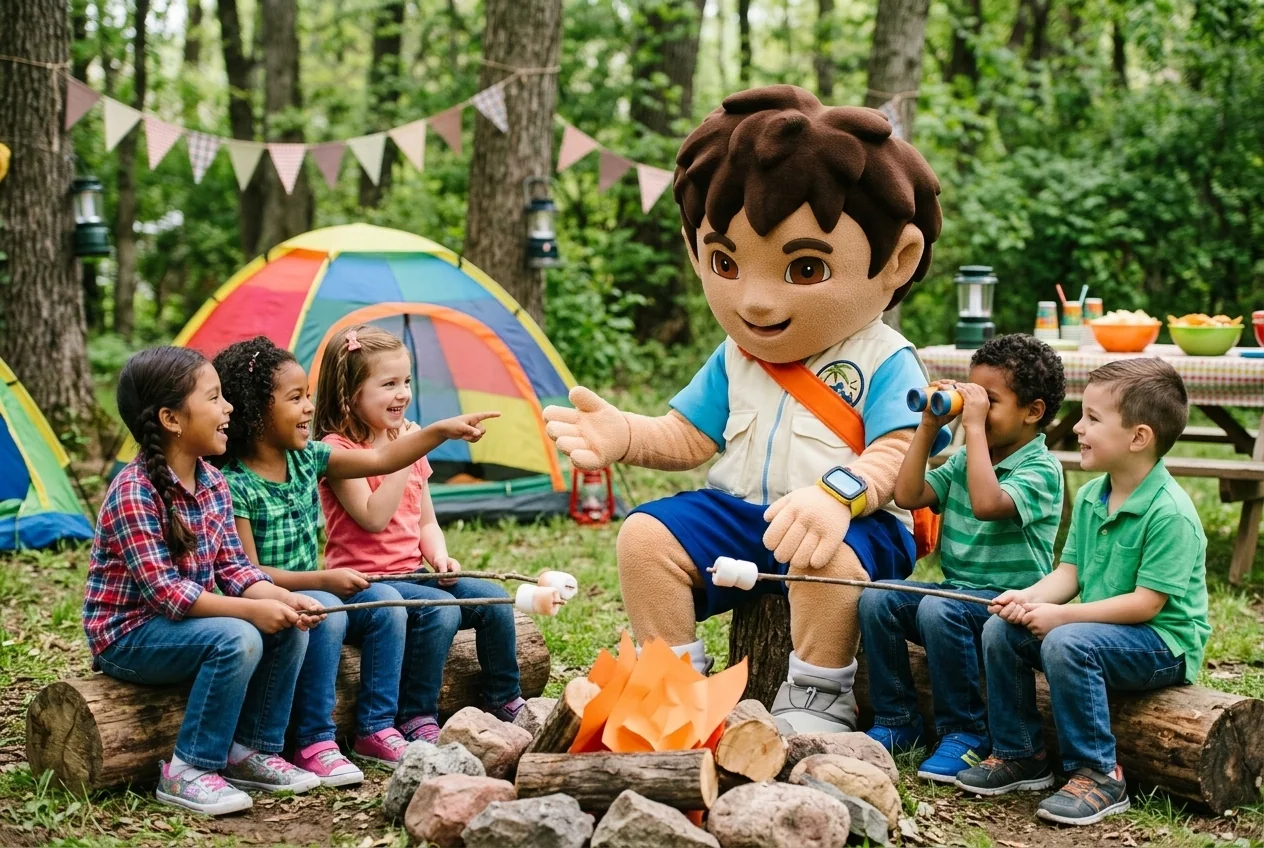
Start by deciding whether the party will be indoors, outdoors, or split between the two. A backyard works well for a pretend campsite, while a living room can hold tents made from sheets or a blanket fort. Before choosing decorations, note where guests will gather, where food will go, and which area needs to stay clear for movement. Keep the setup simple: a few camping chairs, paper lanterns, and a fabric "tent" can suggest the theme without crowding the room. If you plan to use a real tent, practice setting it up first and check that its footprint fits. Ask guests about needs that may affect the space or schedule, and check any venue requirements. For an outdoor party, choose an indoor fallback in advance so a forecast change does not force a last-minute redesign.
Build a short, flexible adventure
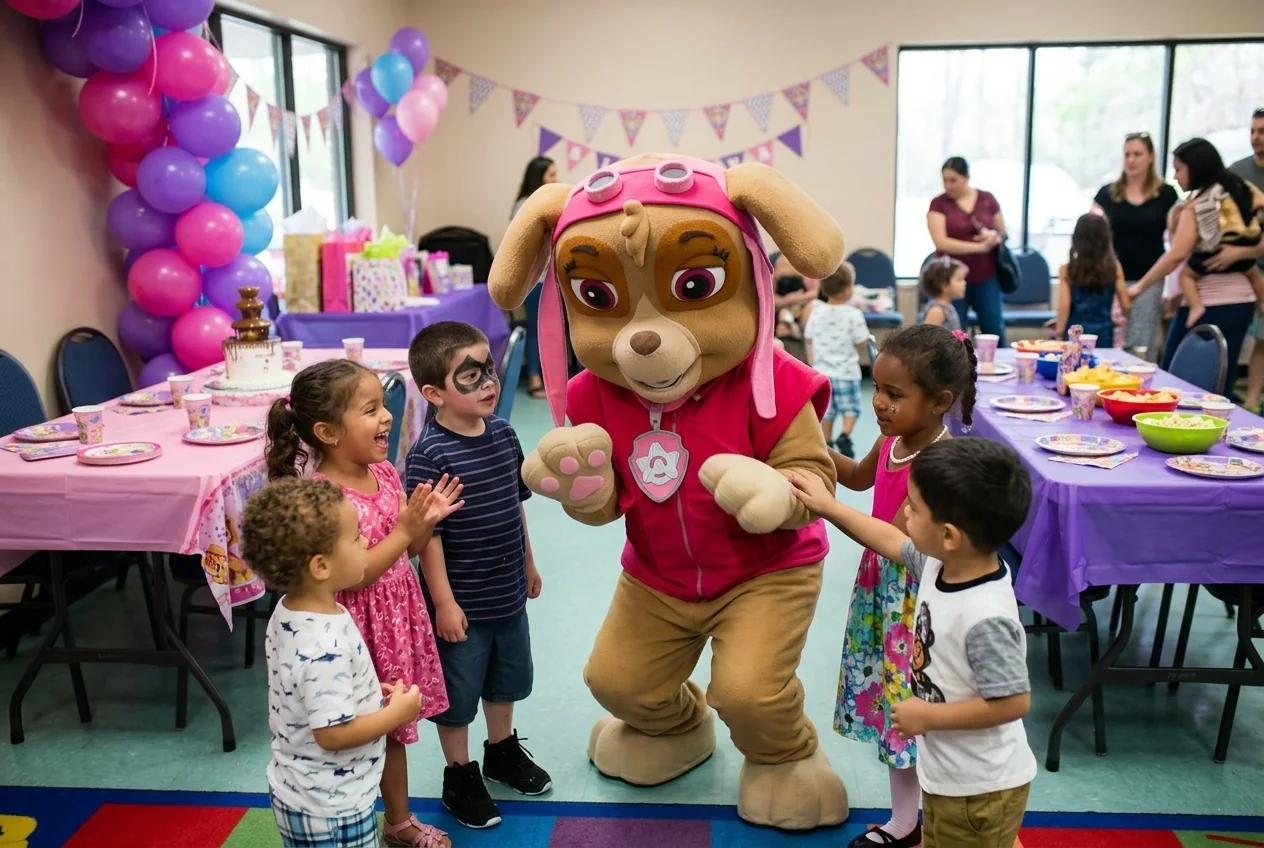
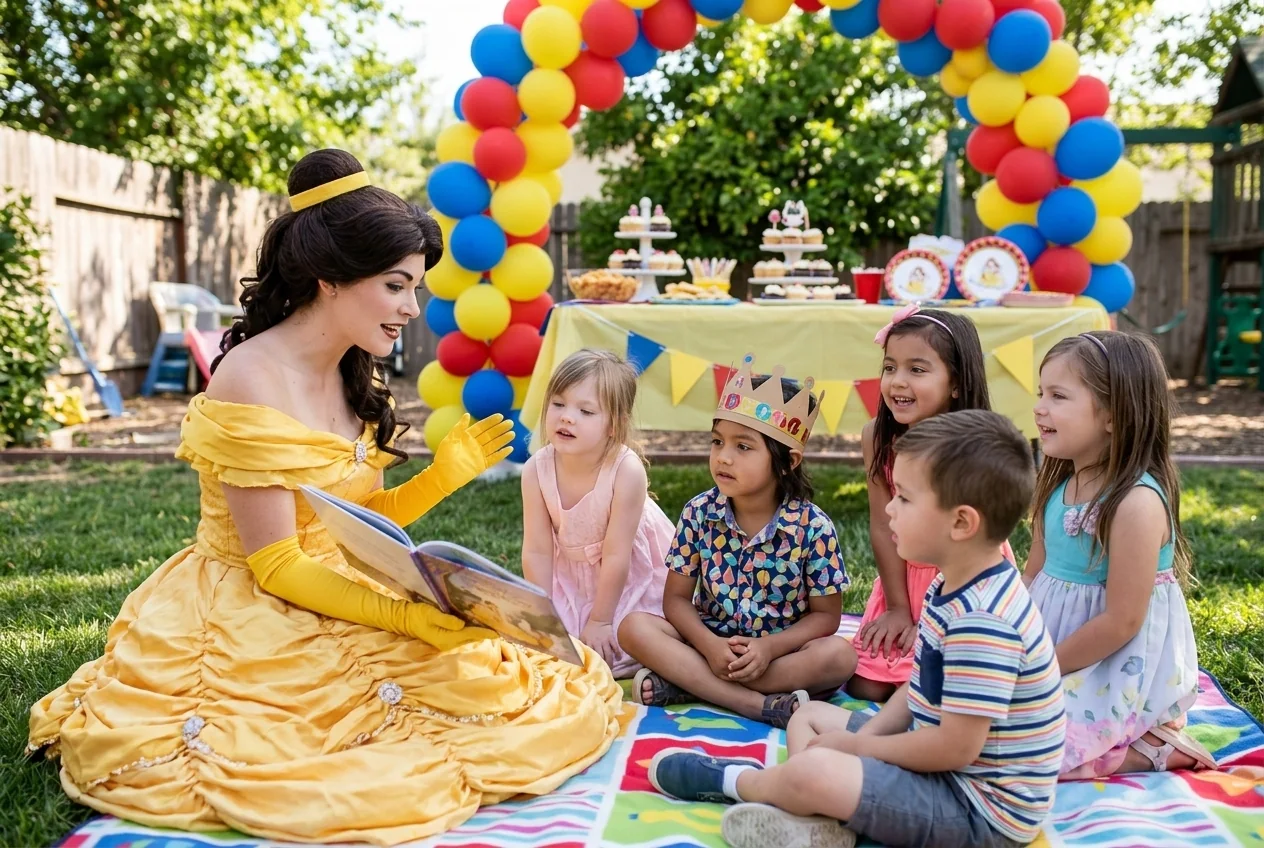
Give the visit a clear rhythm, but avoid filling every minute. Welcome children with a simple choice, such as decorating a paper trail map or choosing a place to sit. Follow with one group activity, then leave time for cake and unstructured play. A nature-themed scavenger hunt can use picture clues around the yard or room; children who prefer not to search can help mark finds on a shared map. For a quieter option, set out coloring pages or invite a child to watch before joining. If a character visit is part of your plan, ask us about timing and the kind of interaction you have in mind. You can request a brief greeting, a photo opportunity, or a story-style moment, then let children choose whether to participate. Confirm the visit details directly rather than assuming any activity is included.
Prepare for weather, comfort, and transitions
Make a small plan for the parts of the party that can become awkward: arriving, moving between activities, and ending the celebration. A sign or a simple welcome station can help families find the gathering area. Keep the schedule visible for yourself, with a little buffer between the main activity and cake. If the weather is warm, offer a shaded place to pause; if it is cool or damp, move the active portion inside or shorten the outdoor time. Ask guests about individual needs and check the venue's rules before deciding what to serve or bring. Skip open flames and use battery lights to create a campfire look without adding fire to the activity plan. For children who need a quieter moment, designate a calm corner with books or drawing supplies. Tell guests where that option is, without making anyone explain why they use it.