Choose one theme and make it easy to read
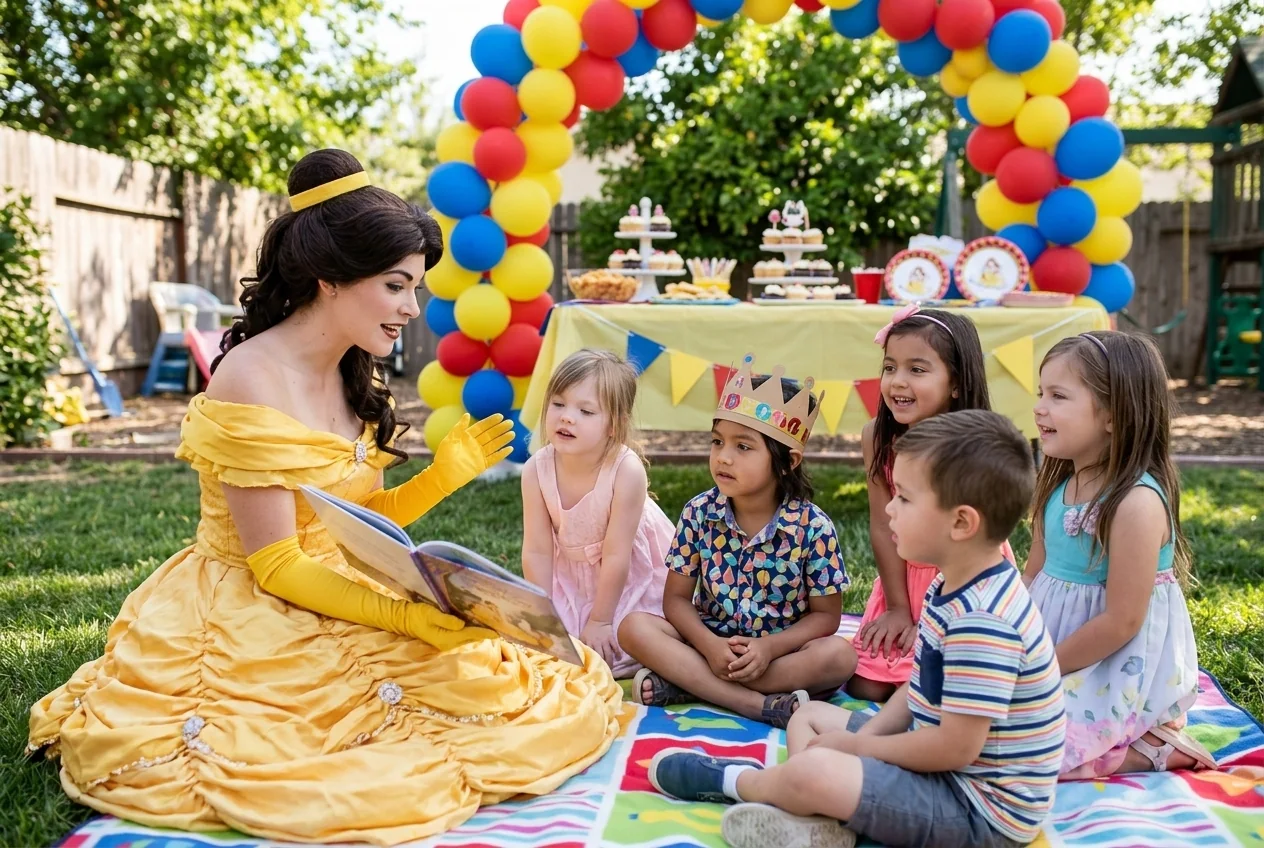
Start with a theme your child recognizes or enjoys, such as favorite animals, pretend play, or a colorful storybook look. At three, a few clear details usually work better than a room full of competing decorations. Pick two or three colors, then repeat them on a table covering, balloons, or paper decorations. Put the theme where guests will notice it, such as near the entrance or cake table, rather than decorating every corner. Ask your child to choose between two simple options, like a jungle or garden theme, so they can take part without being asked to plan the whole event. Check the venue's rules before hanging decorations or using tape. If the party is at home, use a familiar room and keep a quieter spot available for a break.
Build a short, flexible party rhythm
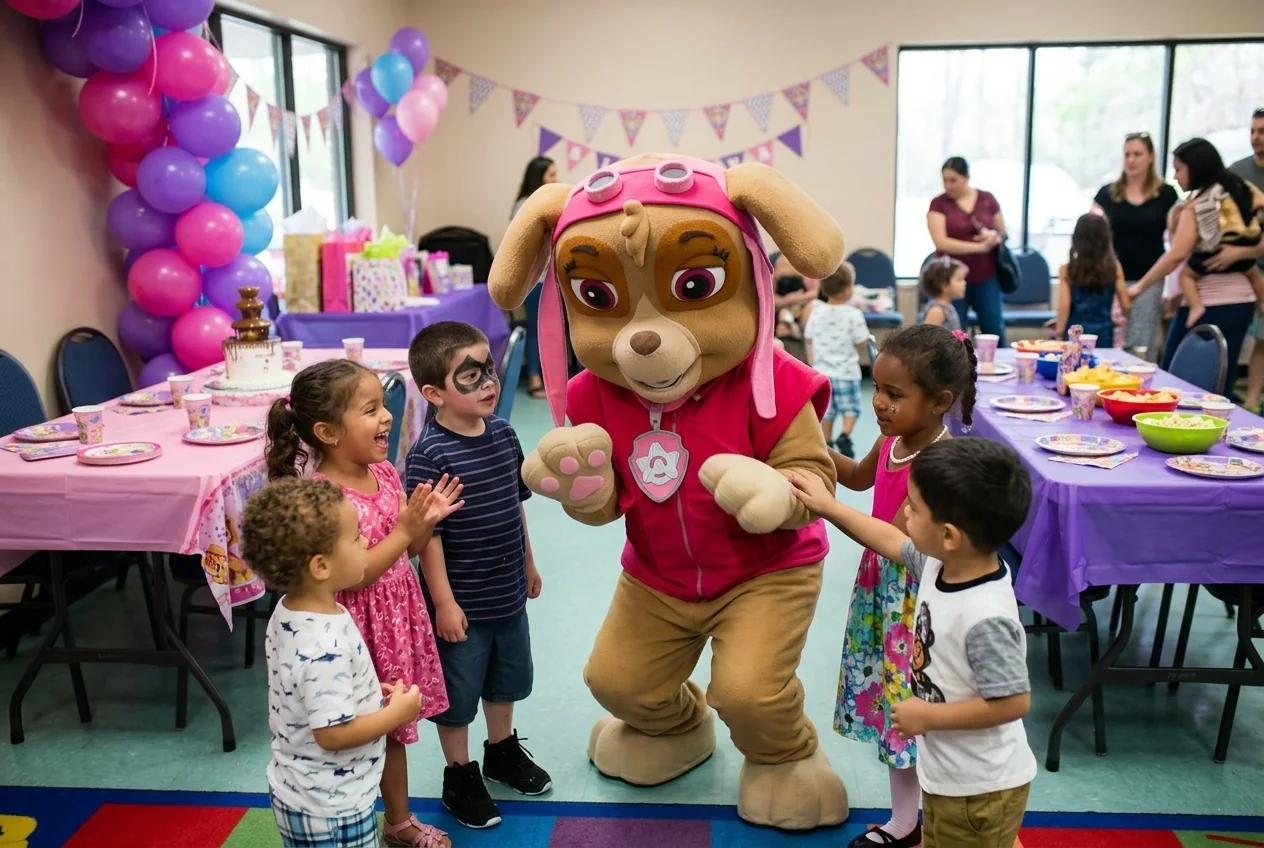
Plan a loose sequence rather than a minute-by-minute program. Welcome guests with open play, then gather everyone for one short group activity, a snack or cake, and time to say goodbye. A simple activity could be matching picture cards, decorating a paper crown, or looking for a few themed objects in the room. Keep supplies ready in advance and offer a parallel choice, such as coloring, for children who prefer not to join the group. Let your child know what comes next with a simple verbal cue. If attention shifts or a game falls flat, move on without making the moment a test of participation. For a character visit, confirm the timing, space, and activity ideas with the provider; treat them as plans to discuss, not guaranteed program features.
Prepare for different moods, space, and weather
For a small home gathering, clear one area for play and keep food and gifts in a separate spot if possible. In a larger room, avoid spreading activities so far apart that adults cannot easily guide transitions. If a child seems shy around a visitor or group, let them watch from beside a trusted adult, wave, or join later. There is no need to insist on a photo or performance. For an outdoor party, choose a backup indoor location or a clear rain plan before invitations go out. Check guest needs and venue or provider requirements when planning food, decorations, and activities. Prepare a few quiet toys and a simple backup game, such as bubbles outdoors or picture books inside. End with a familiar routine, like cake and a group goodbye, so the celebration has a calm finish.