Build a simple activity rhythm
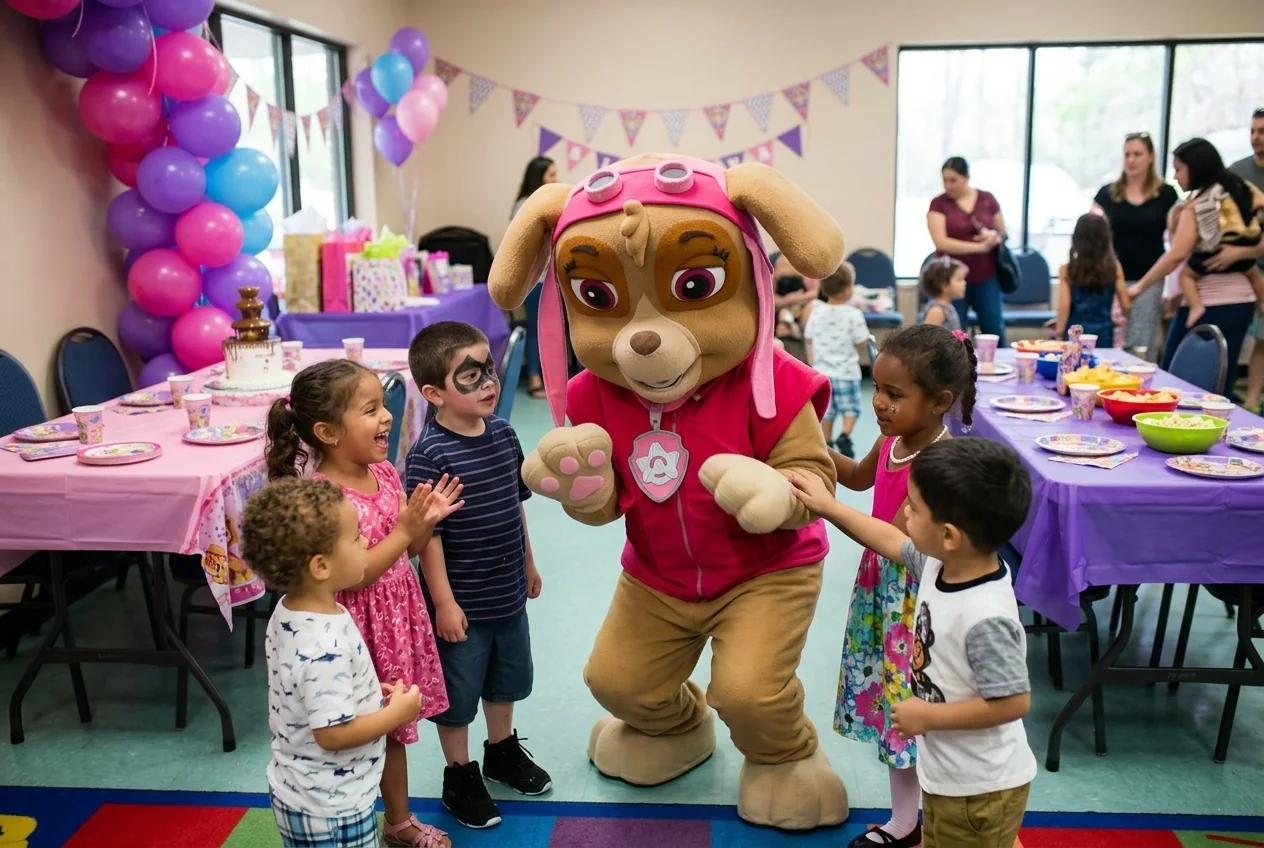
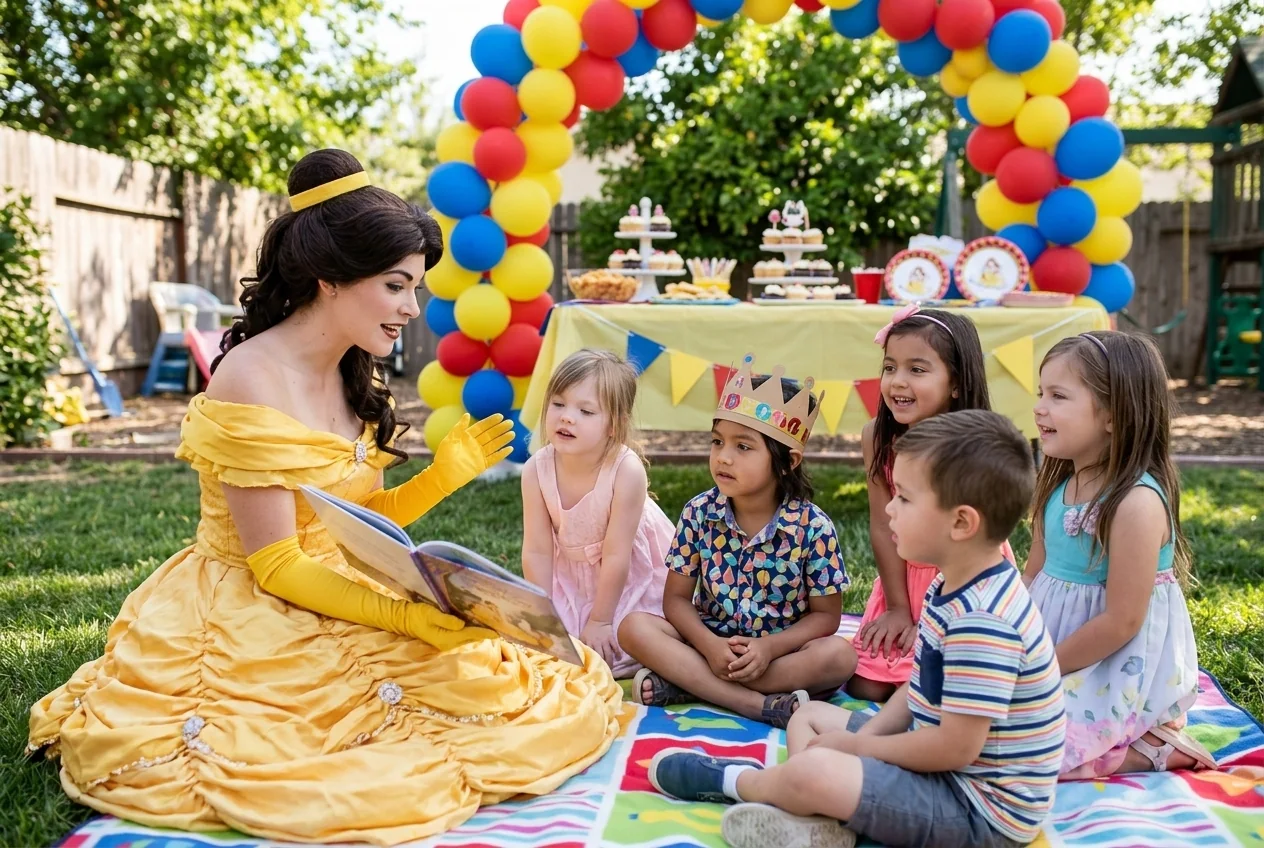
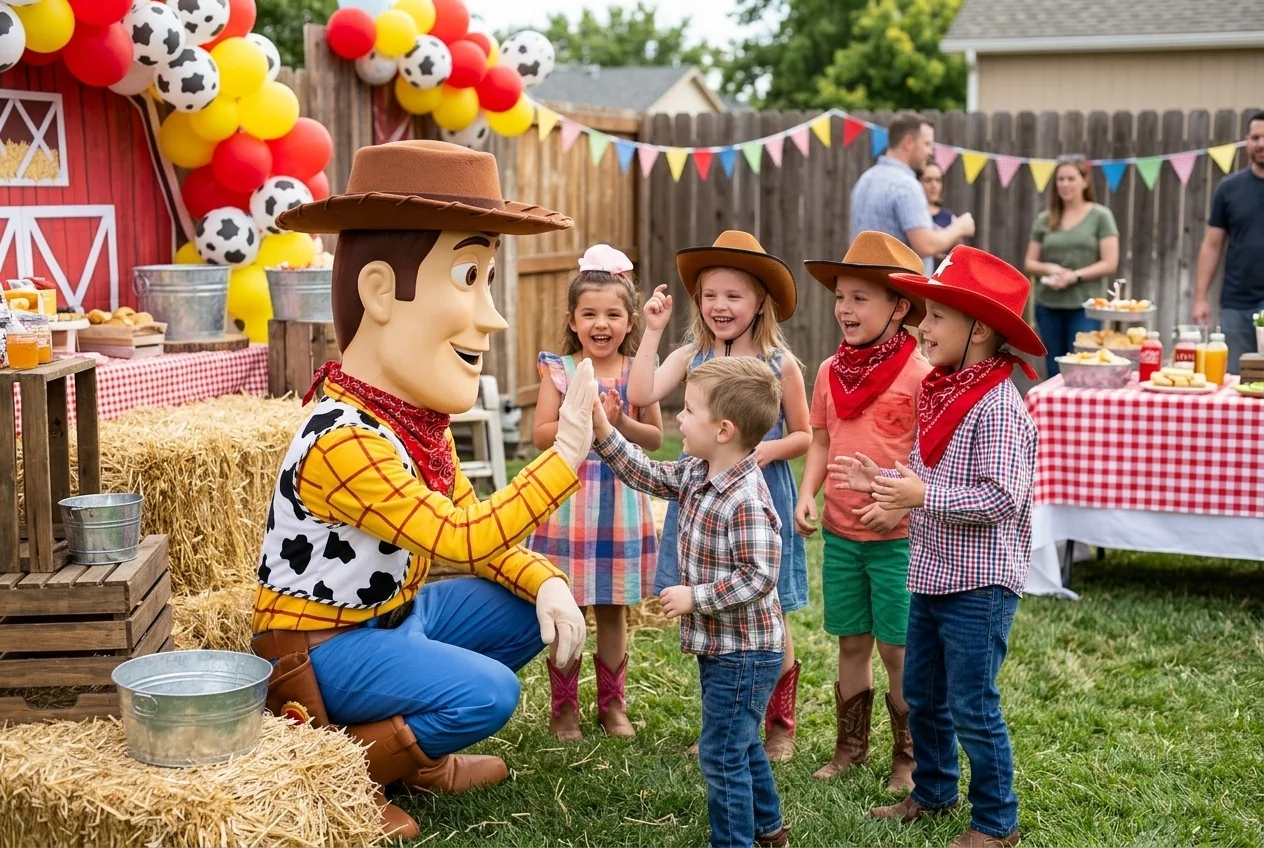
Start by picturing the party's length and the moments that matter most: arriving, celebrating the birthday child, serving food, and saying goodbye. Choose two or three activities that fit around those anchors rather than scheduling every minute. A brief welcome game can help guests settle in, followed by a main activity, then a quieter option while children wait for food or pickup. Keep the birthday child's special moment visible, such as inviting them to choose the first game or lead a short group activity. For a character visit, ask us about a manageable program and the timing that works with your plan. Treat the visit as one option, not the entire schedule. Leave a little unscheduled time so children can finish an activity or simply chat.
Match activities to the group and space
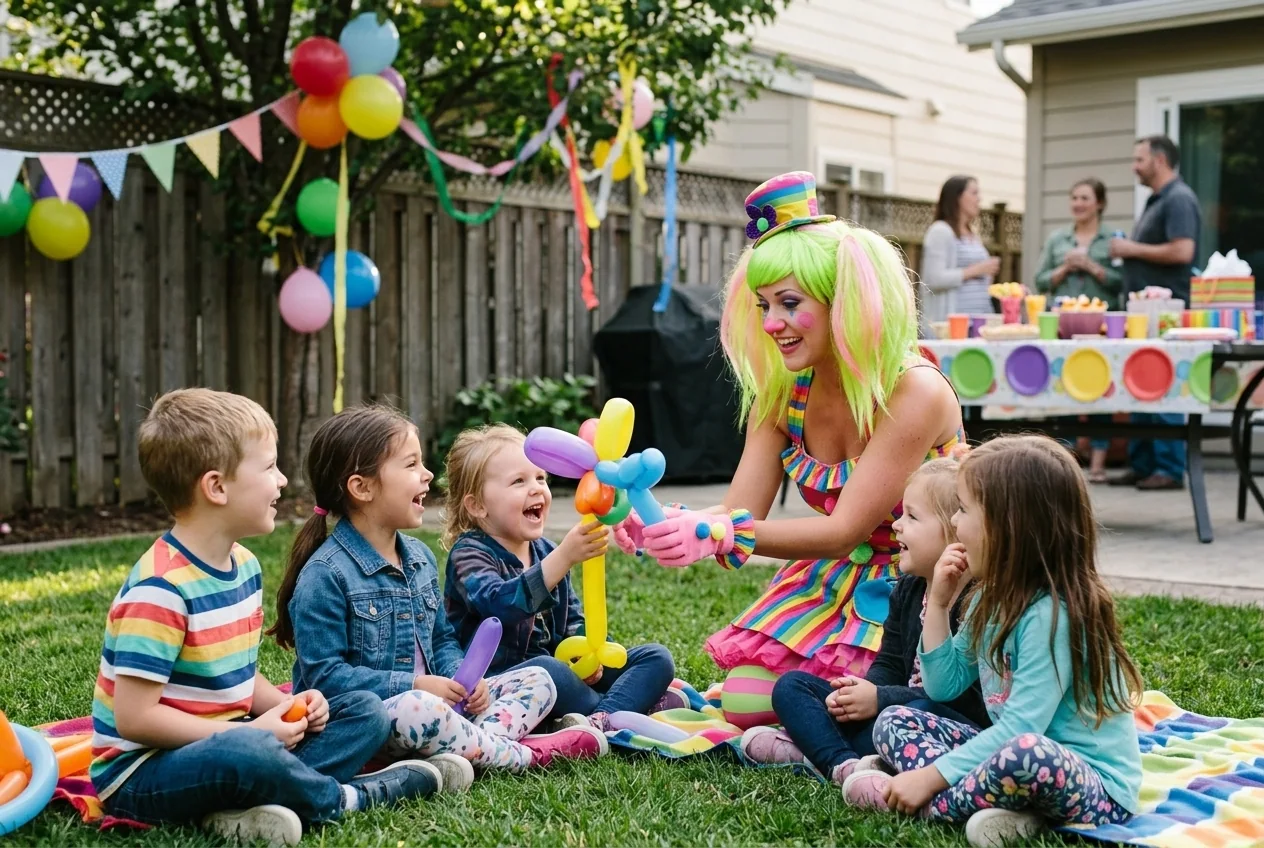
Choose activities by how children can take part, not by assuming everyone will want to compete or perform. A drawing prompt, a simple scavenger hunt, or a cooperative building challenge offers different ways to join. For a shy child, let them watch first, participate alongside a trusted adult, or choose between two low-pressure roles. Keep instructions short and demonstrate the first turn. In a small living room, favor seated crafts or a circle game that needs little movement; move furniture only if the household can do so comfortably. Outdoors, have a nearby indoor alternative ready in case weather changes. Check the venue's rules before bringing supplies or setting up games. Ask guests' caregivers about relevant needs, and confirm any requirements with the venue or service provider.
Prepare supplies and a flexible finish
Gather materials before guests arrive and place each activity's supplies together, so an adult can start it without searching. Use reusable household items where practical, and set out only what the group needs for the next activity. Decide who will welcome children, explain instructions, and help reset the space; one adult can handle more than one role if the gathering is small. Plan a stopping point rather than relying on every child to finish at once. If a game loses interest, offer a quiet alternative or move to the next planned anchor. Keep the final activity calm enough to transition into pickup, and tell caregivers where children should wait. Afterward, note what the birthday child enjoyed most; that detail can guide a future celebration without requiring a bigger plan.