Set the scene with a few details
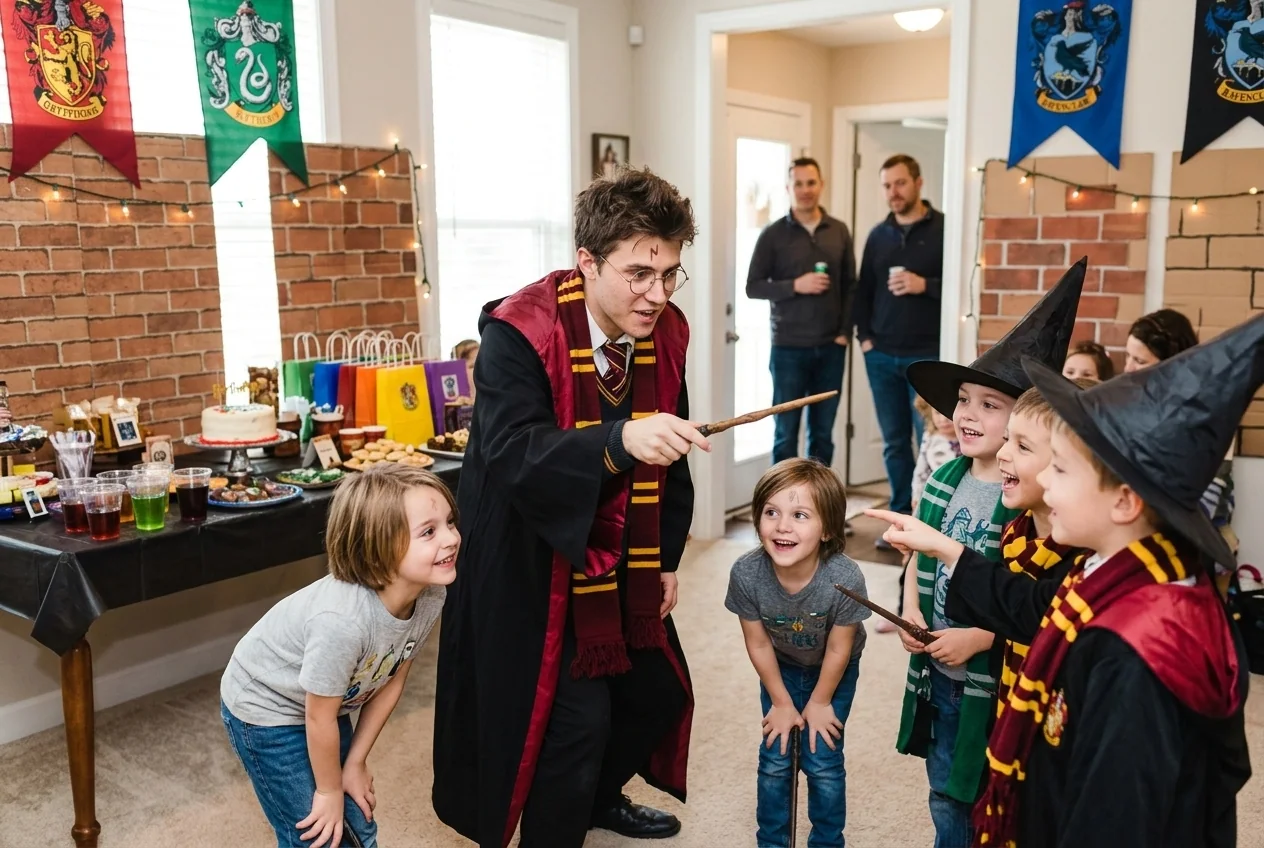
Start with one clear visual idea rather than decorating every surface. A house-color palette on the table, paper stars, battery-powered lights, or a simple sign can establish the theme without crowding the room. Add a few props children can handle, such as folded paper "spell books," blank name tags, or lightweight scarves. Keep decorations out of walkways and avoid anything that could be mistaken for a real object from a story. For food, use familiar party choices and theme the labels instead of relying on elaborate recipes. Check guests' food needs with caregivers and confirm any venue rules. Ask your child which two or three details matter most to them; that short list will guide shopping and help the party feel personal.
Give the party a gentle story arc
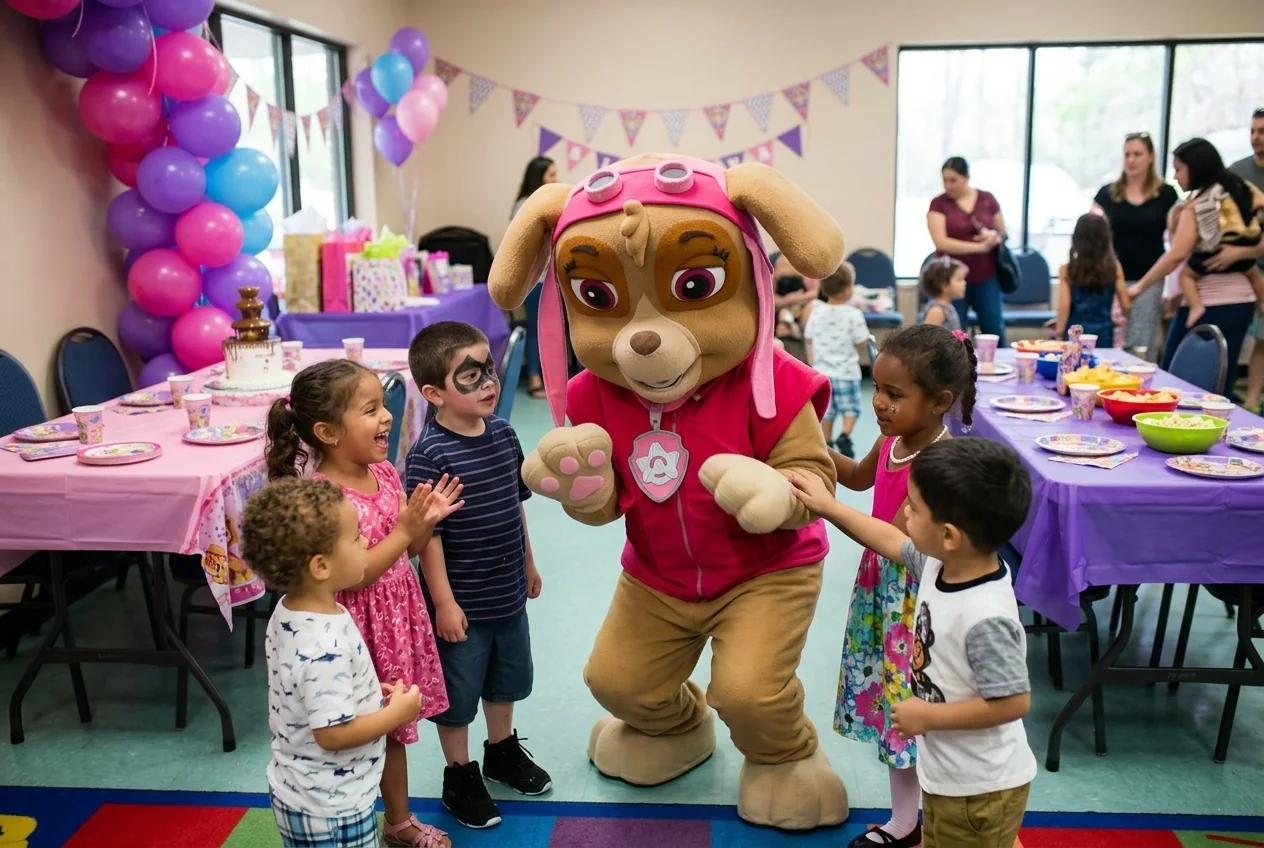
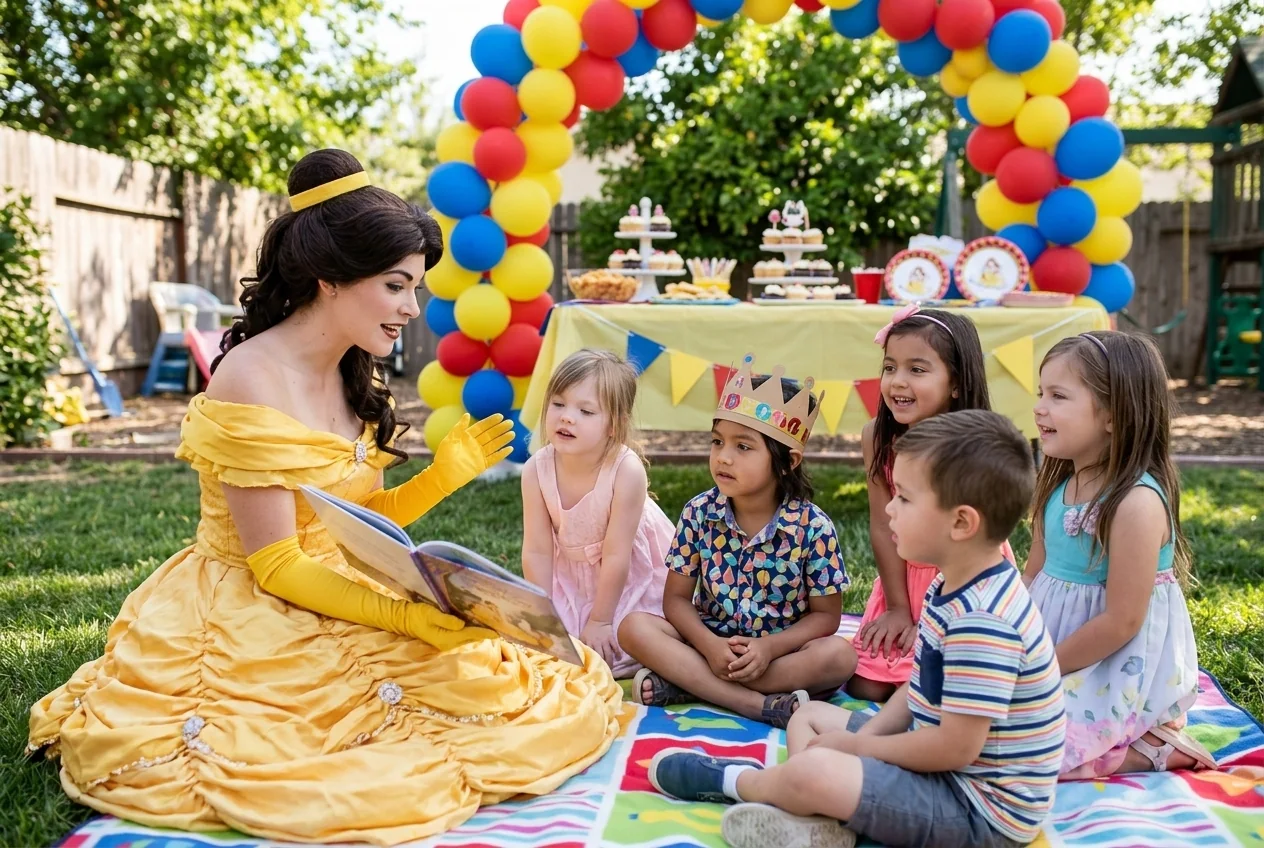
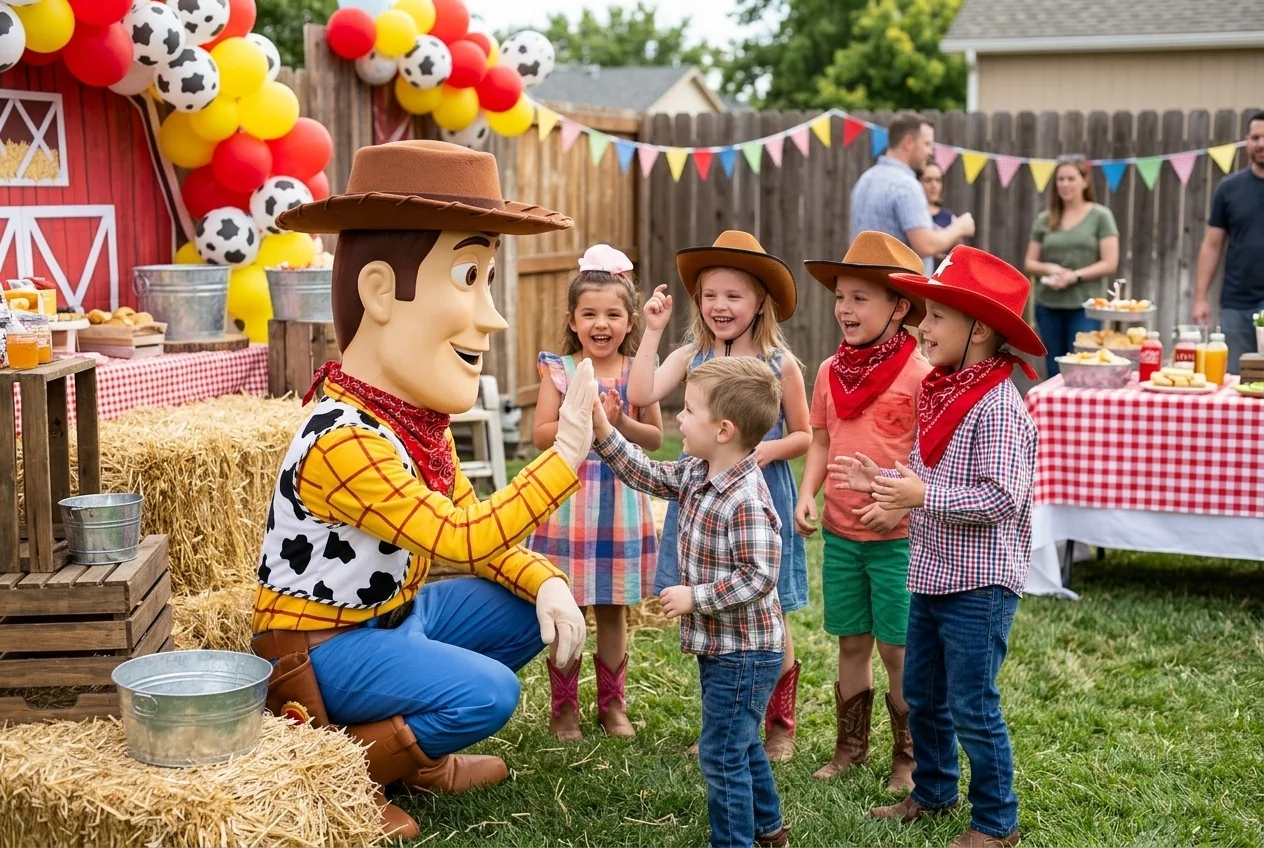
A manageable visit can move from arrival to a brief welcome, one guided activity, a snack break, and a closing birthday moment. For a sorting game, let children choose a colored card or badge instead of assigning them publicly. A craft table might offer paper wands made from rolled sheets, stickers, and markers, with no requirement to perform. If you invite a costumed entertainer, ask in advance what the visit can include, how long it lasts, and whether the entertainer can adapt the interaction for your space and ages. Treat any suggested games as options, not guaranteed program items. Children who want to participate can join the activity; shy guests can draw, watch beside a caregiver, or take a quiet break without becoming the center of attention.
Plan for space, timing, and a backup
Before the party, measure the main activity area and move fragile or valuable items elsewhere. Keep one open route between the entrance, seating, and activity spot, and set up a quieter corner with books or coloring pages. A short activity usually works better than a long queue, especially when guests arrive at different times. If the party is outdoors, choose a covered or indoor fallback and decide by when you will switch plans. For a small room, skip stations that need separate tables and use one shared craft area. Tell caregivers the expected start and end times, where to leave coats, and whether children need an adult nearby. On the day, keep the cake moment flexible so the birthday child can pause, watch, or join when ready.