Use color with a clear decorating plan
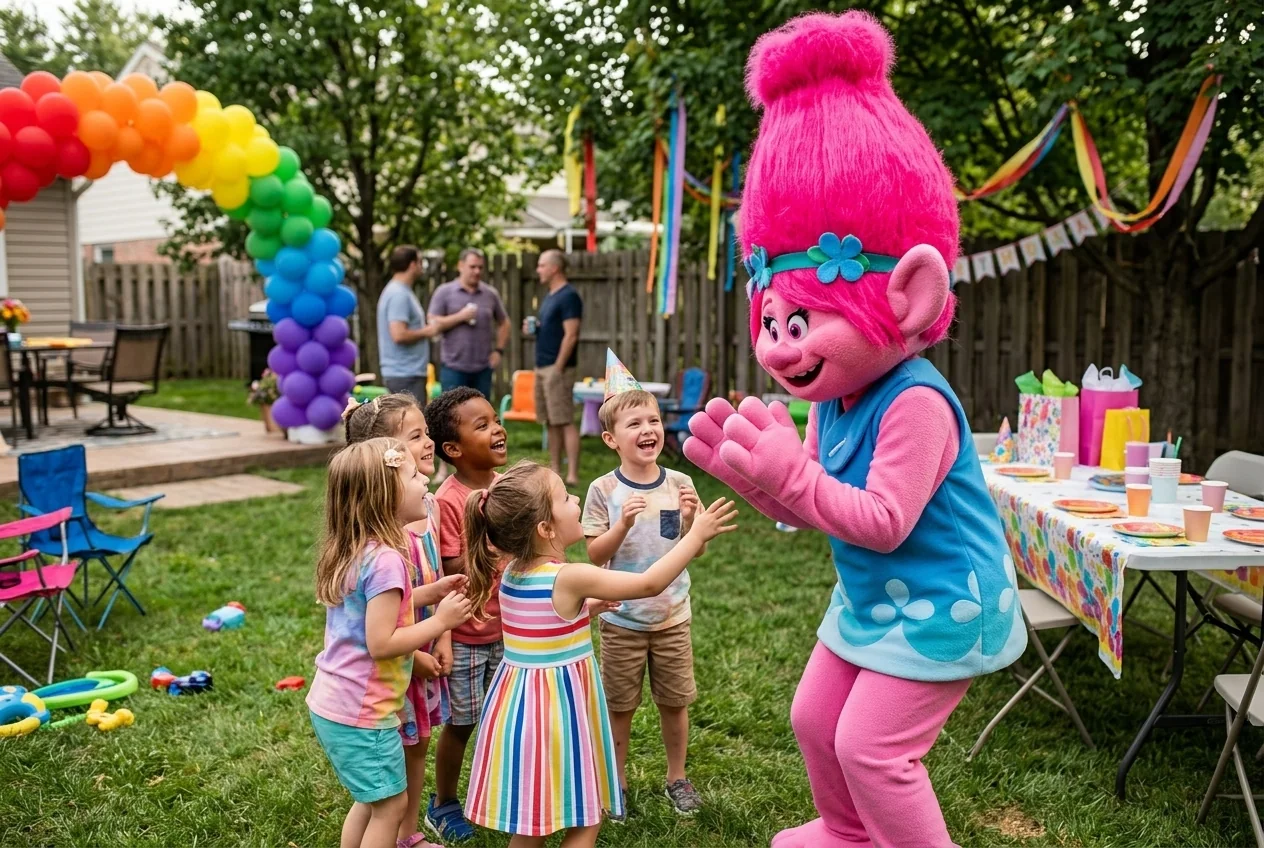
A rainbow theme can come together with a paper garland, colored napkins, and a simple sign. Decide which colors you want to feature, then repeat them in a few places instead of buying decorations for every surface. A plain table covering gives snacks or cake a colorful backdrop, while paper circles or streamers can mark one wall as the party area. In a small room, keep decorations above or behind the main activity space so the floor stays available for play. Ask your child to help choose the color order or pick a favorite shade for the cake table. Before hanging anything, check venue rules and use only decorations suited to the space. If guests bring gifts, set aside one corner for them so the party area remains clear.
Choose one activity that fits the guest group
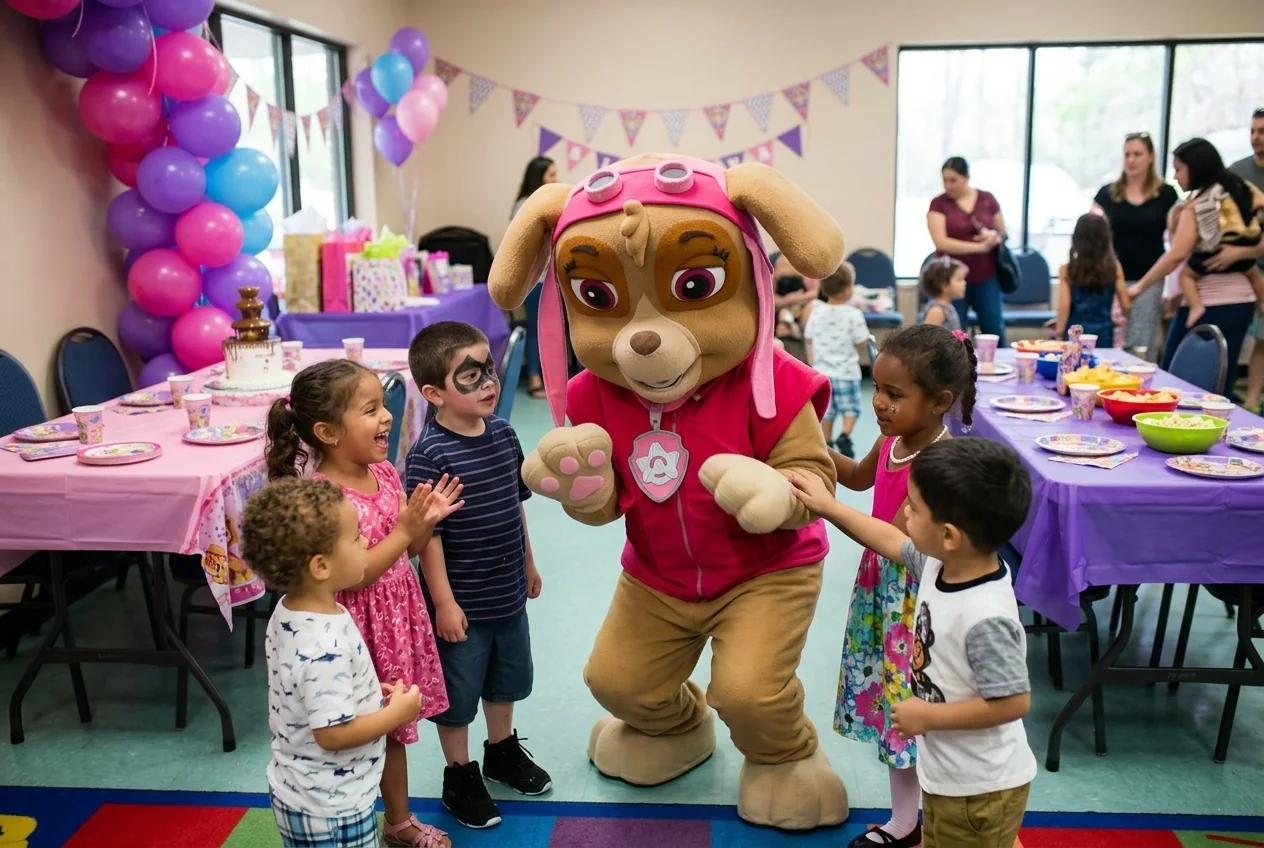
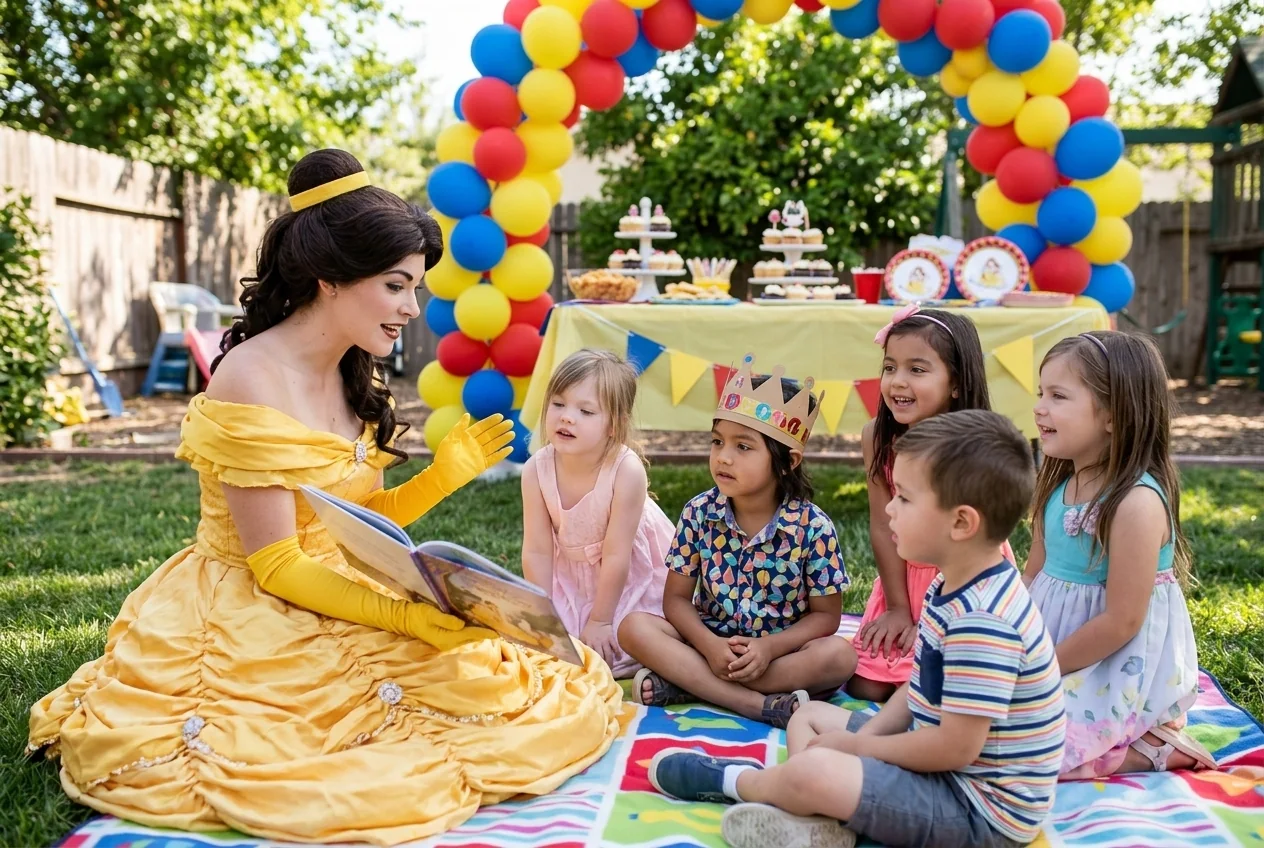
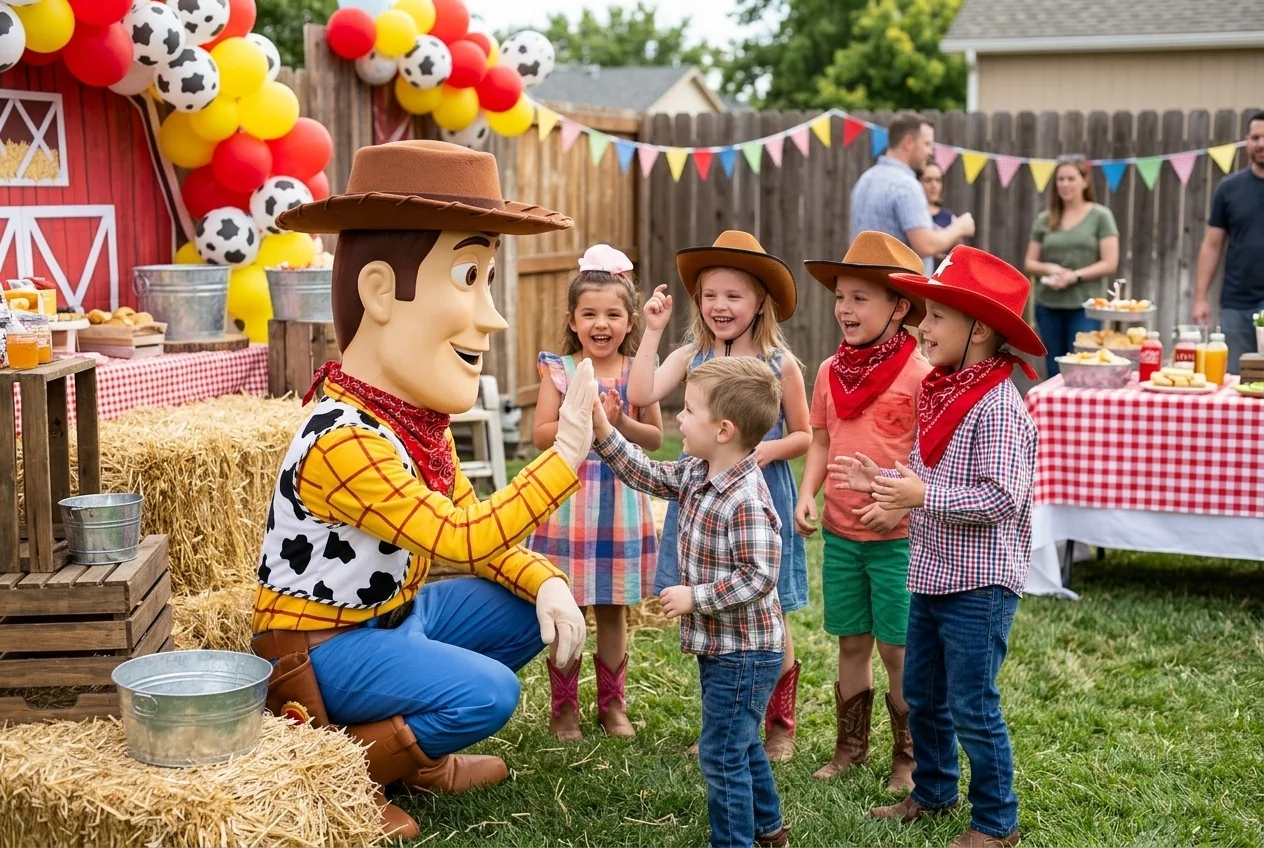
A rainbow art table can be as simple as paper, crayons, and stickers arranged by color. Another option is a color search, where children look for objects in the room and point them out rather than racing to collect them. Pick one activity that matches the group's size and the available space, and show guests how to begin. Leave the materials out for children who arrive late or prefer to work quietly. Follow it with open play, then gather for a birthday song or cake when the group is ready. If a character visit is planned, ask in advance about timing, room needs, and possible activities, then treat these as planning topics for confirmation. Give shy children a way to watch or join beside a familiar adult instead of expecting everyone to participate together.
Plan for indoor, outdoor, and quiet moments
For an outdoor gathering, check the forecast as the date approaches and choose an indoor backup before sending invitations. Keep a few decorations and the activity supplies easy to move, so a weather change does not require a full redesign. In a living room or community space, place chairs along the edge and leave the center open for movement. Make a quieter corner with books, crayons, or a familiar toy for guests who need a break from the group. Keep the schedule loose: arrival and play, one activity, food or cake, then an unhurried goodbye. Check guest needs and venue or provider requirements when deciding on refreshments and materials. If children lose interest in the planned activity, let them return to free play. The colors provide the theme; the party does not need a sequence of elaborate games.